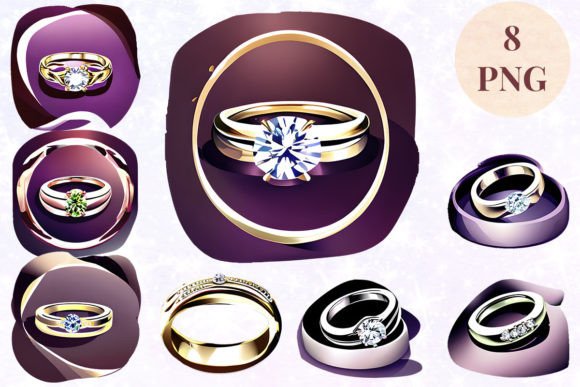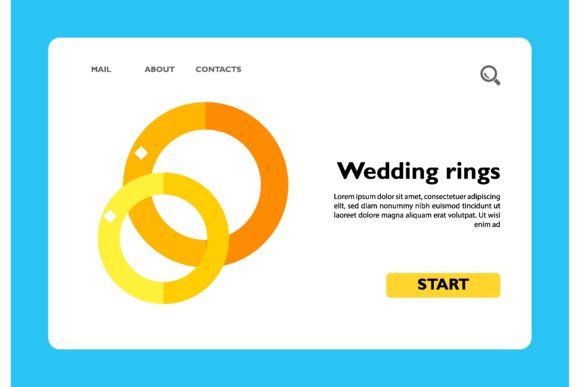
Icon of Gold Wedding Rings: A Design Asset for Visual Storytelling
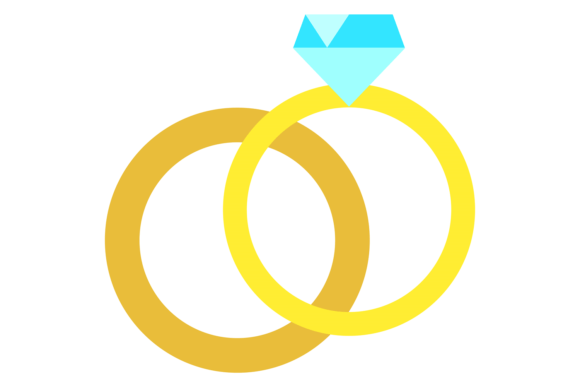
The gleam of a gold wedding band instantly communicates a timeless narrative of unity, commitment, and value. For graphic designers and visual communicators, an Icon of Gold Wedding Rings. Wedding Band is more than a simple illustration; it is a powerful, versatile symbol that can elevate a project's visual hierarchy and emotional resonance. This precious metal concept serves as a foundational asset in projects related to marriage, partnership, luxury branding, and celebration, offering a rich visual shorthand that viewers immediately understand.
In modern design, where clarity and impact are paramount, leveraging such a recognizable symbol can significantly streamline your design workflow. Whether you are crafting a brand identity for a jeweler, designing social media graphics for a wedding planner, or developing a sophisticated UI for a lifestyle app, the right iconography does heavy lifting. A well-rendered gold wedding band icon provides a touch of elegance and professionalism, instantly signaling quality and permanence to the target audience.
Practical Applications Across Design Disciplines
The utility of a gold wedding rings icon extends far beyond traditional wedding invitations. Its aesthetic and symbolic weight makes it a valuable creative asset across numerous platforms and mediums.
In branding and logo design, a stylized version of interlocking rings can form the core of a memorable mark for businesses in the jewelry, event planning, or luxury goods sectors. For marketing materials and advertising campaigns, it serves as a focal point that draws the eye and conveys the core message of partnership or high value without excessive text. Digital applications are equally broad. In website and UI design, it can function as an intuitive icon for user profiles, wishlist features, or relationship status indicators, enhancing the overall user experience (UX) with clear, attractive visual cues.
Furthermore, this icon is indispensable in editorial design for magazine layouts discussing relationships, fashion, or lifestyle trends. It adds a layer of visual design sophistication to packaging design for premium products, and can be a central element in presentation decks for businesses pitching partnership opportunities or celebrating milestones. Even in merchandise and digital products, such as printable art or mobile app interfaces, its appeal remains consistently strong.
Integrating the Icon into a Cohesive Visual System
Simply inserting a beautiful icon into a design is not enough; its effectiveness depends on thoughtful integration. Here are key considerations for designers to ensure the asset enhances, rather than disrupts, the overall composition:
- Consistency and Style: The icon's style—be it flat, line art, 3D, or illustrated—must align with the broader graphic design language of the project. A mismatched style can break visual cohesion and confuse the audience.
- Scalability and Clarity: Ensure the asset is created in a vector format or at a high resolution. A gold wedding rings icon must remain crisp and recognizable whether it's a tiny favicon in a browser tab or a large centerpiece on a poster.
- Color Palette Harmony: While the icon is inherently "gold," its exact hue should complement the project's overall color palette. Consider whether a warm, rich gold or a lighter, more modern yellow-gold tone best fits the brand's modern aesthetics.
- Visual Hierarchy: Use the icon strategically. As a strong visual element, it can anchor a design, but overuse can dilute its impact. Place it where it naturally supports the content's flow and key messages.
Typography also plays a supporting role. Pairing the icon with elegant serif fonts can reinforce a classic, luxurious feel, while clean sans-serif typefaces can give it a more contemporary edge. The goal is a harmonious relationship between imagery and text that guides the viewer's eye seamlessly.
Ultimately, the decision to use an Icon of Gold Wedding Rings. Wedding Band is a choice to communicate with clarity, emotion, and style. In the hands of a skilled designer, it transforms from a simple asset into a cornerstone of effective visual communication, strengthening brand narratives and creating more engaging, polished experiences across all creative projects. Thoughtful selection and application of such high-quality resources are what separate good design from great, memorable design.